Educational Pollinator Garden
The Wasaga Beach Climate Action Team is proud to partner with Wasaga Beach Provincial Park and The Horticutural Society of Wasaga Beach to launch a new initiative, funded by Rotary Club of Wasaga Beach: THE ROTARY POLLINATOR GARDEN.
This garden is located at Wasaga Beach Area 5. We gratefully acknowledge Wasaga Beach Provincial Park for generously providing the land for this project.
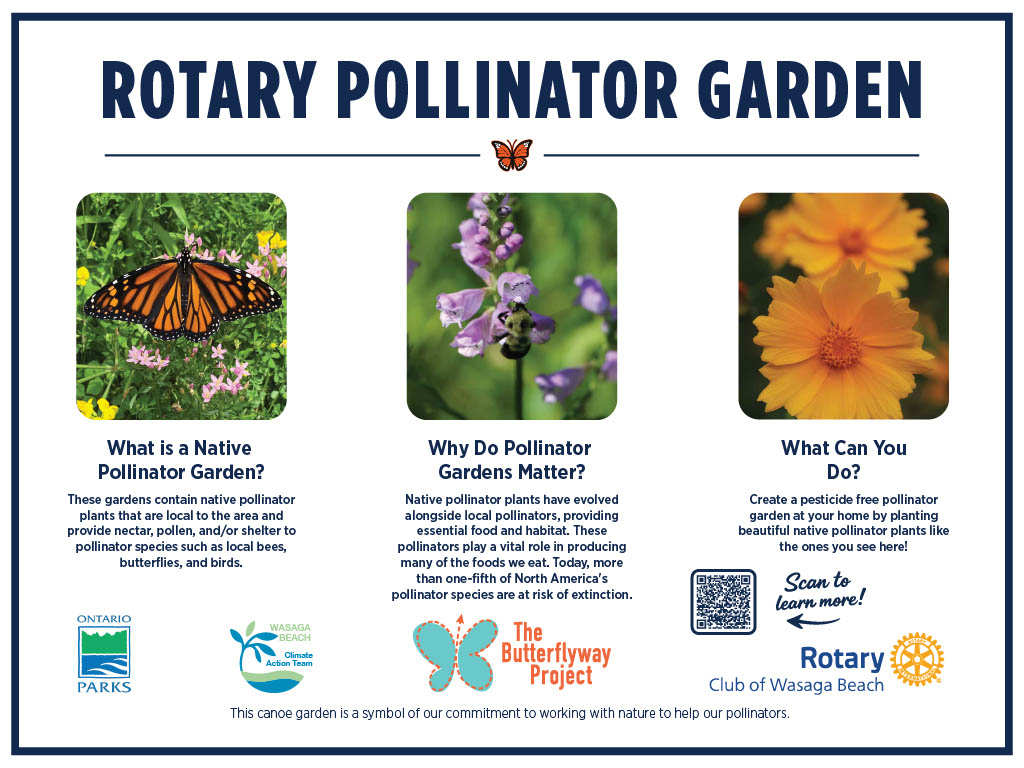
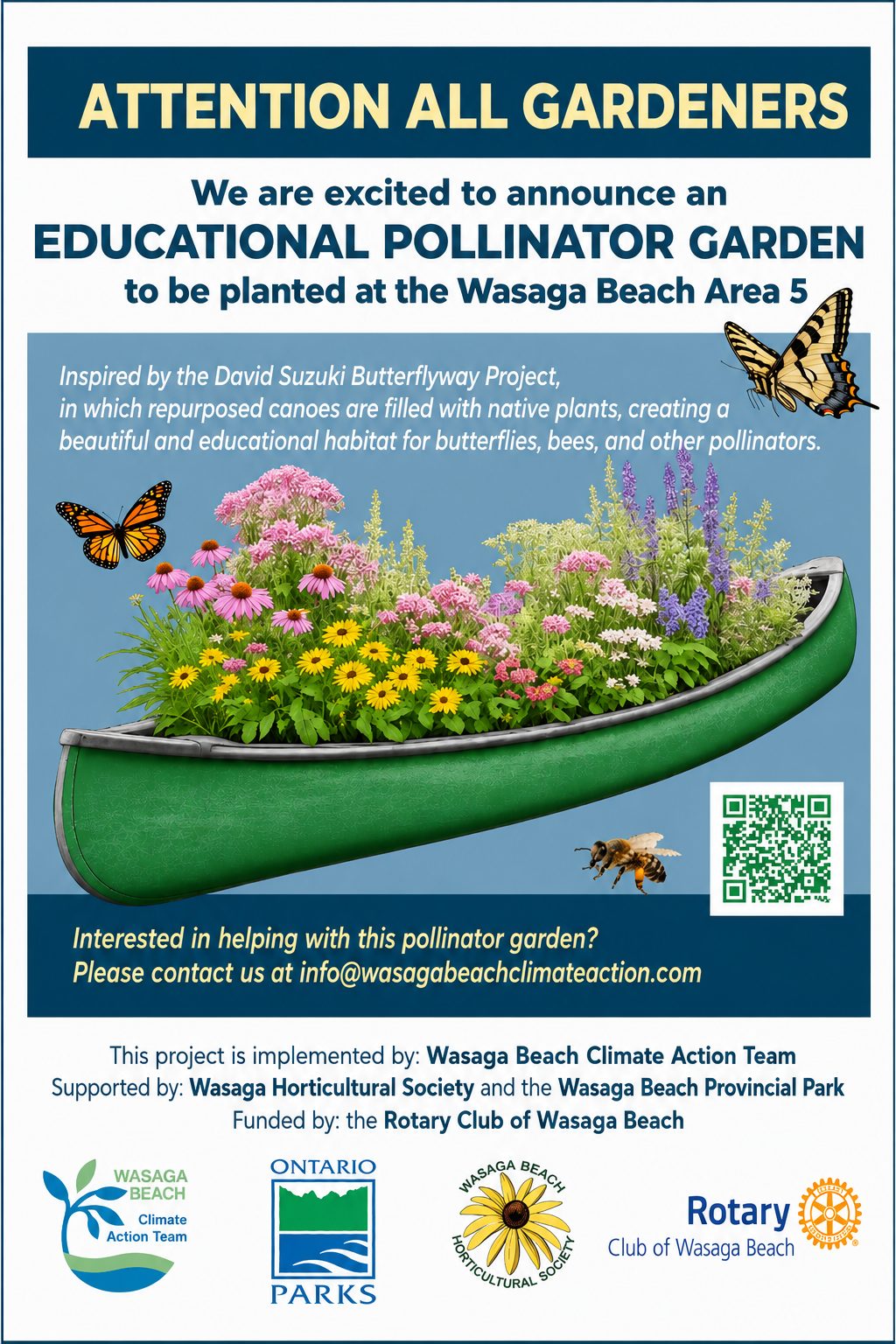
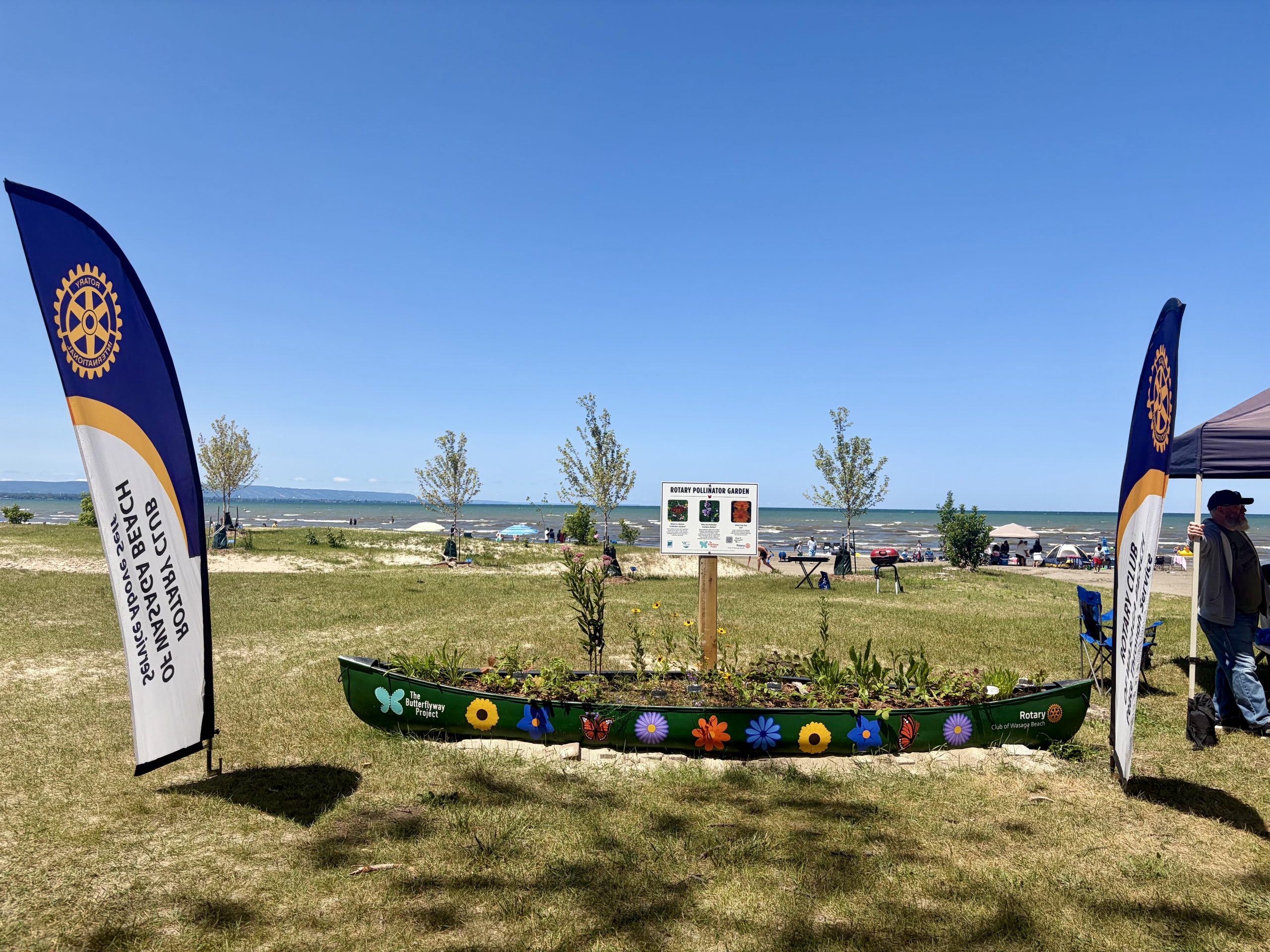
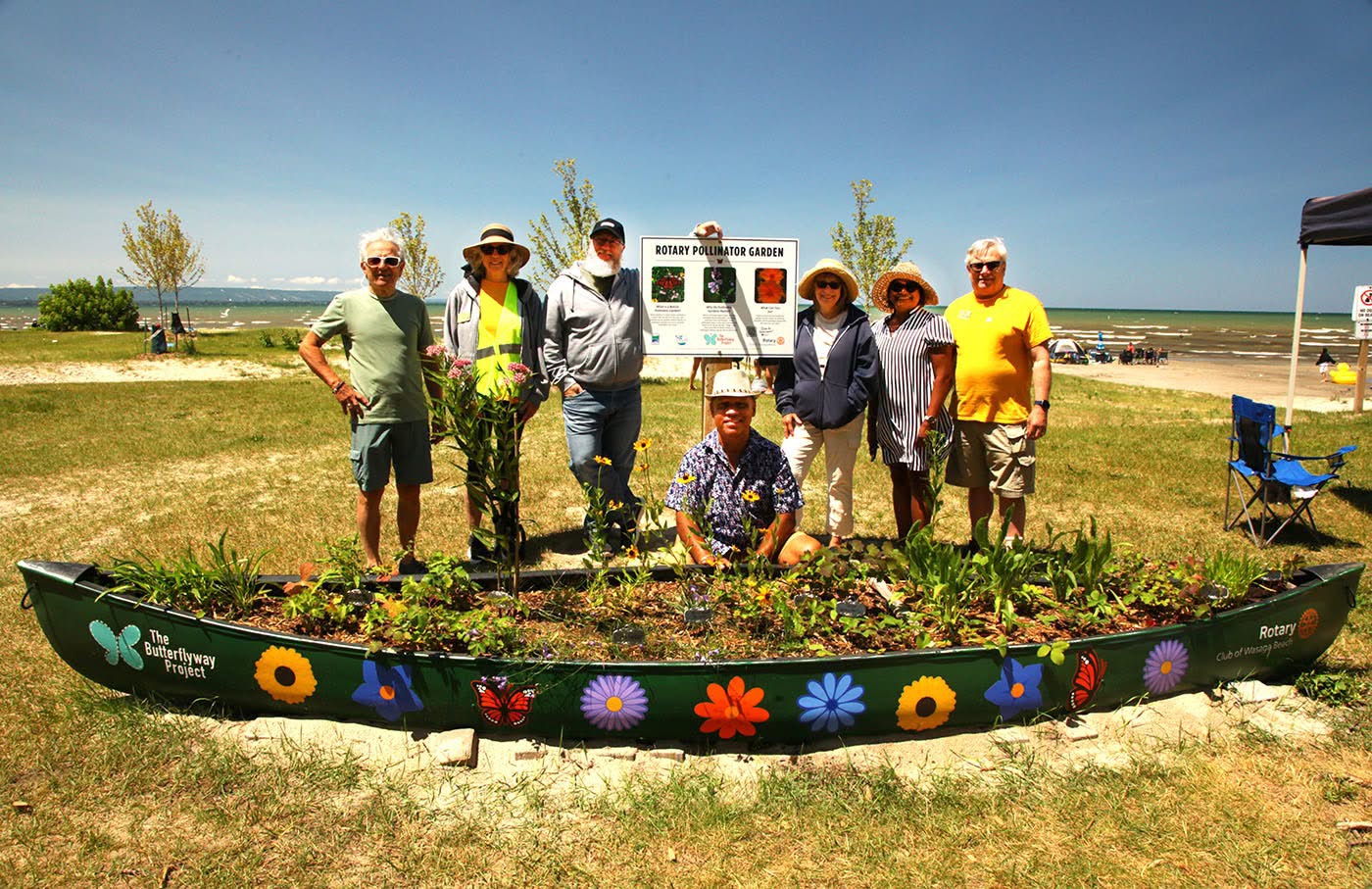
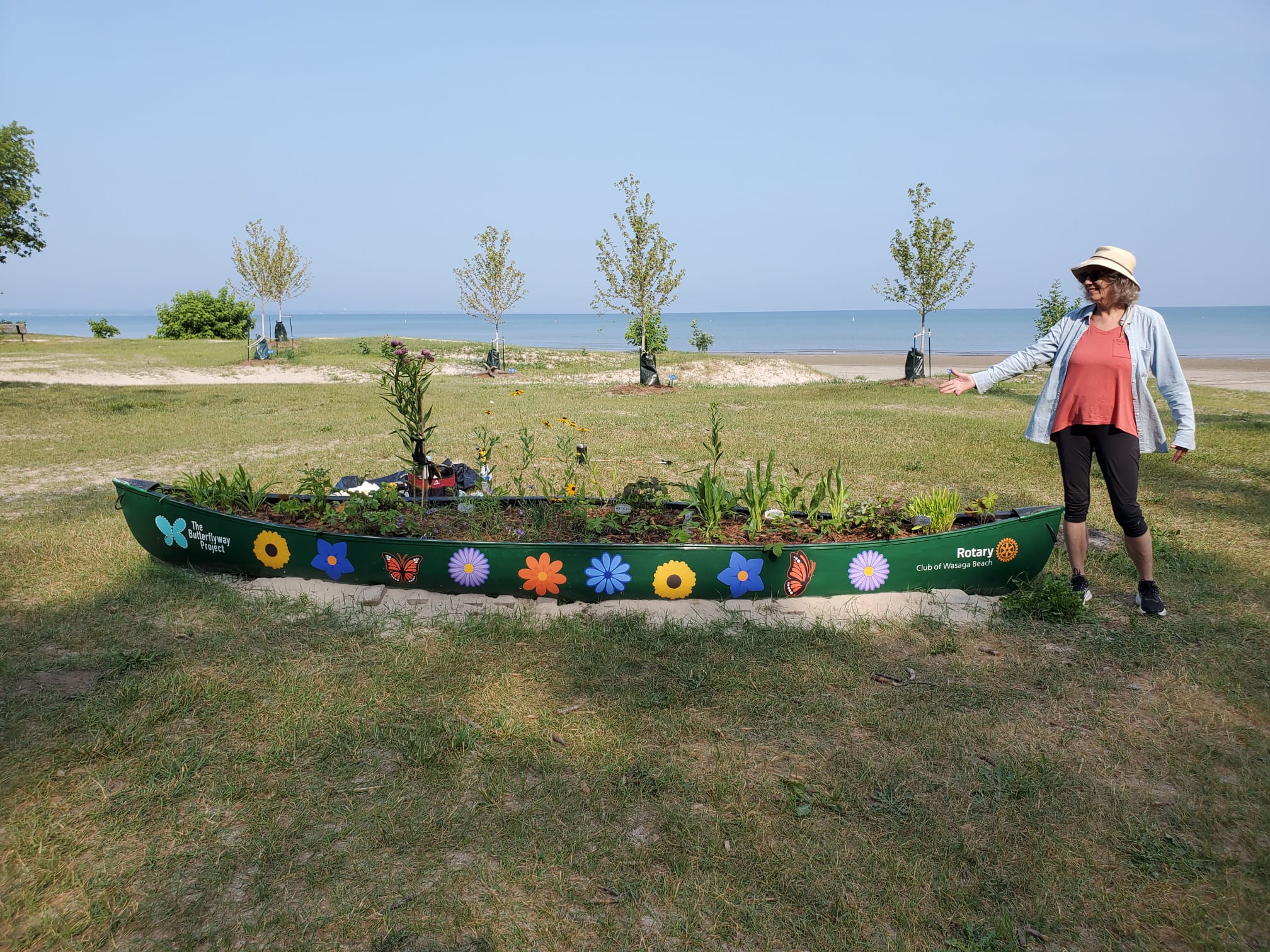
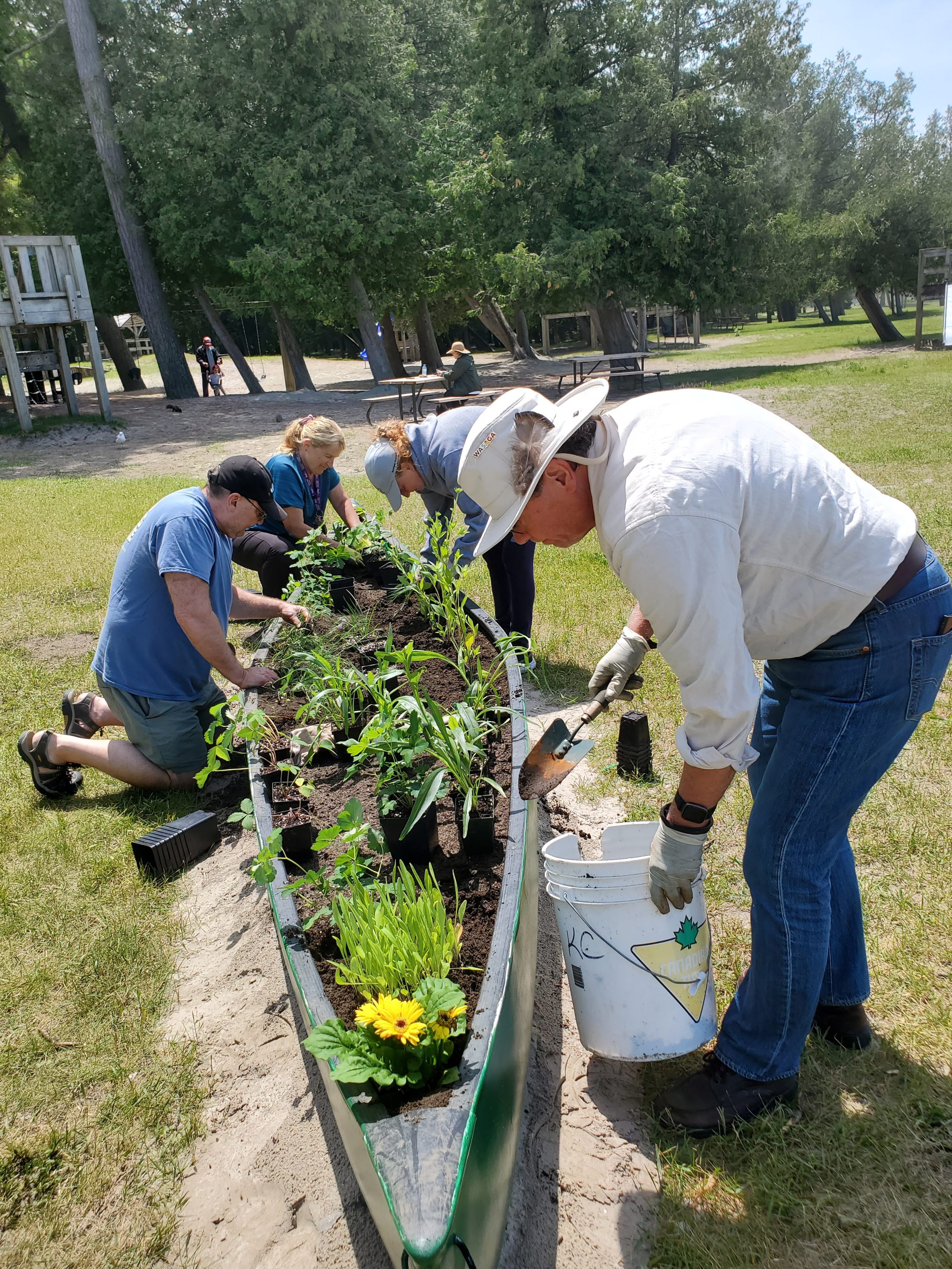
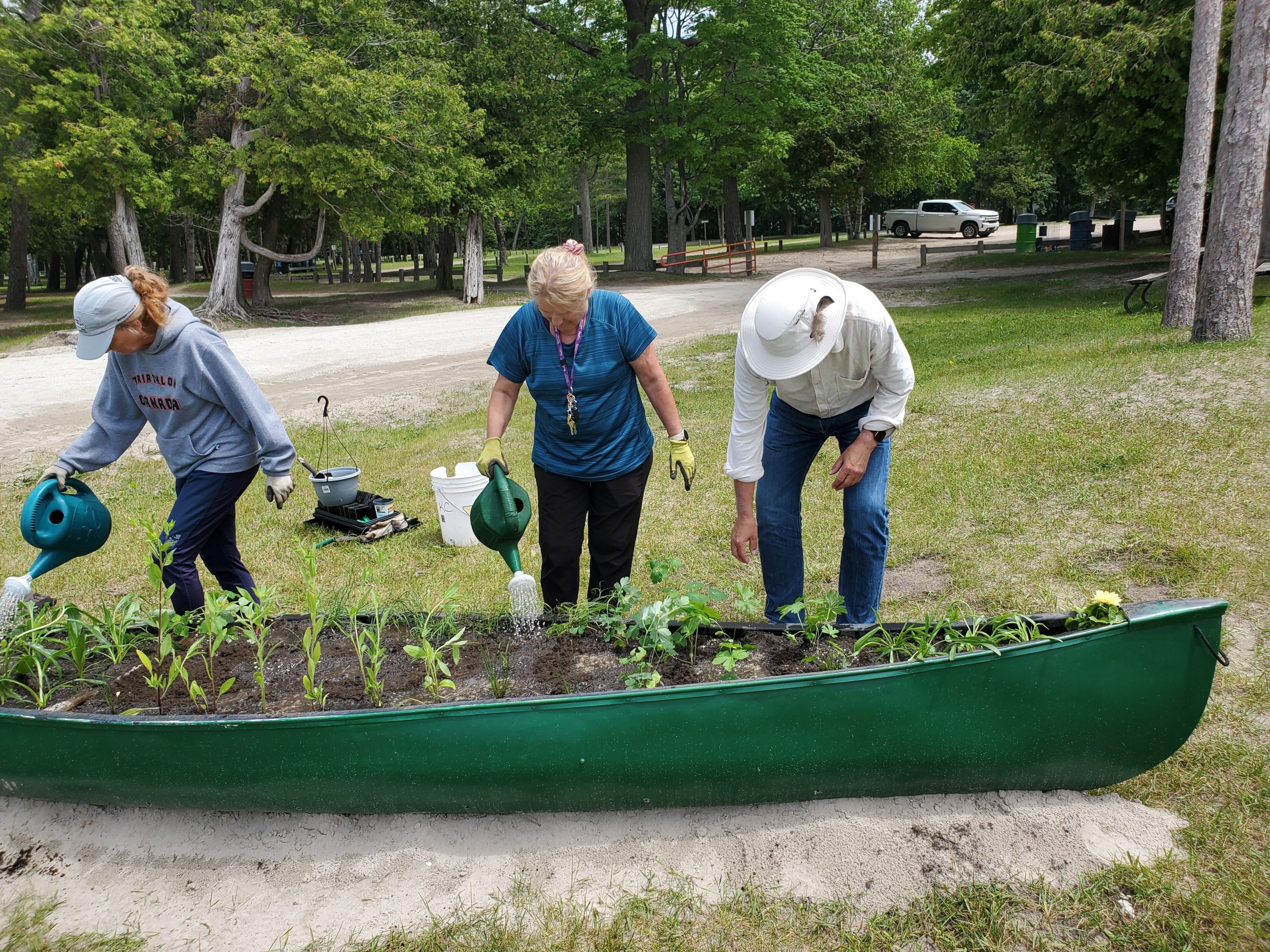
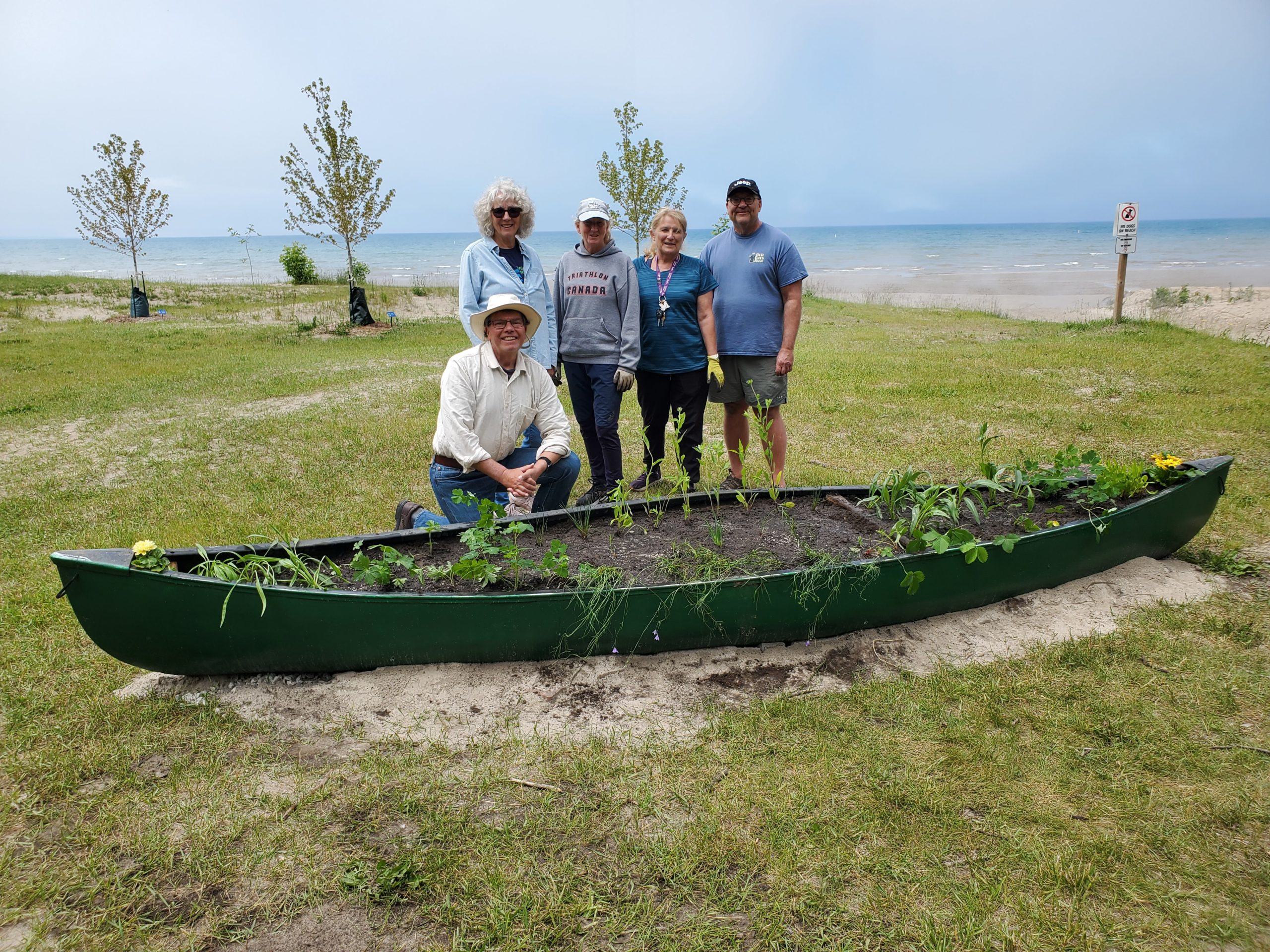
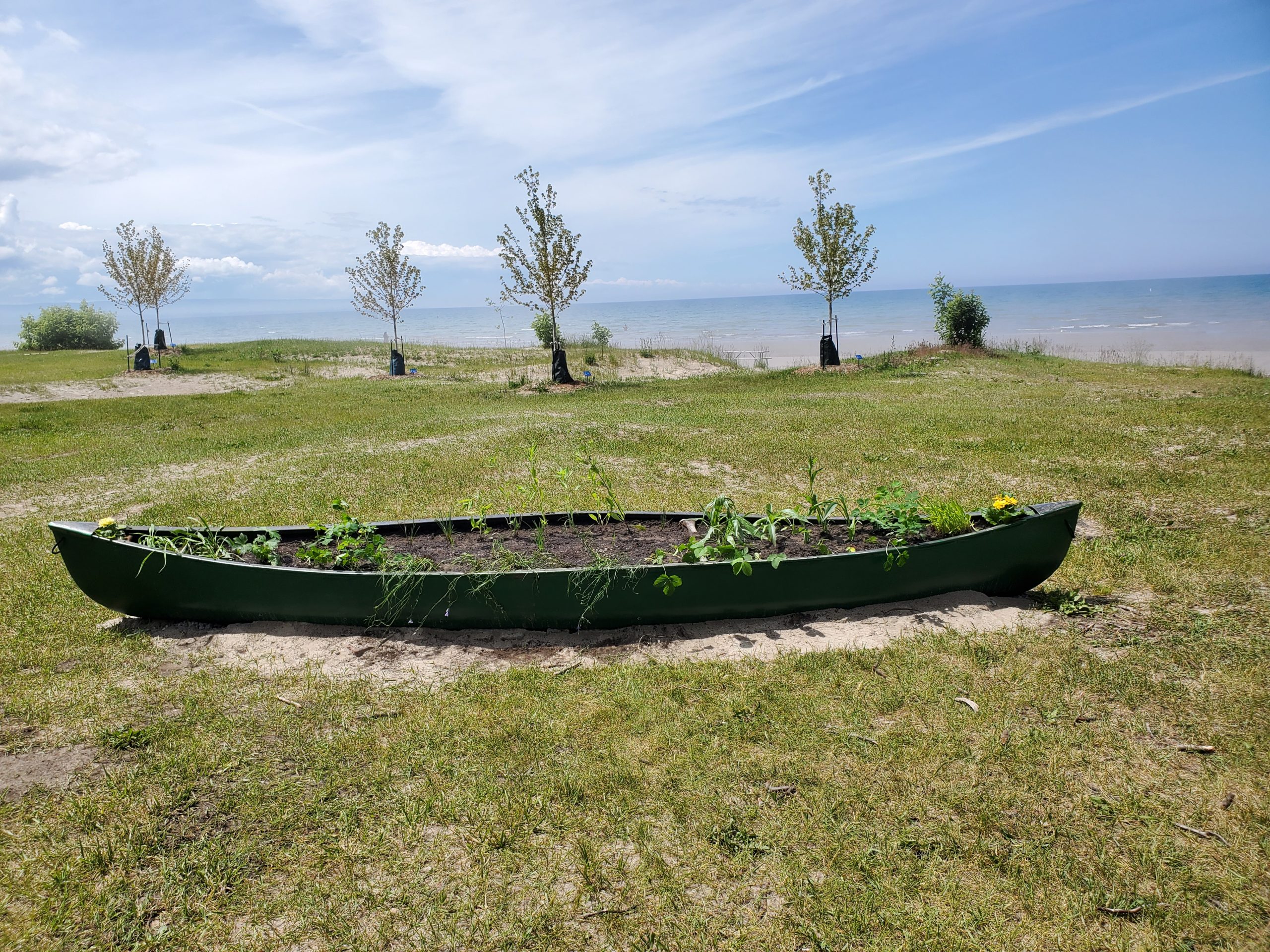
The garden features a beautifully repurposed canoe, transformed into a vibrant planter filled with native species, along with educational signage to inspire and inform visitors.
The Wasaga Beach Public Library also plays a key role by offering programming throughout the year, helping residents learn about the importance of pollinator gardens and how to create their own at home. First session happened June 16, 2026, more to be announced.
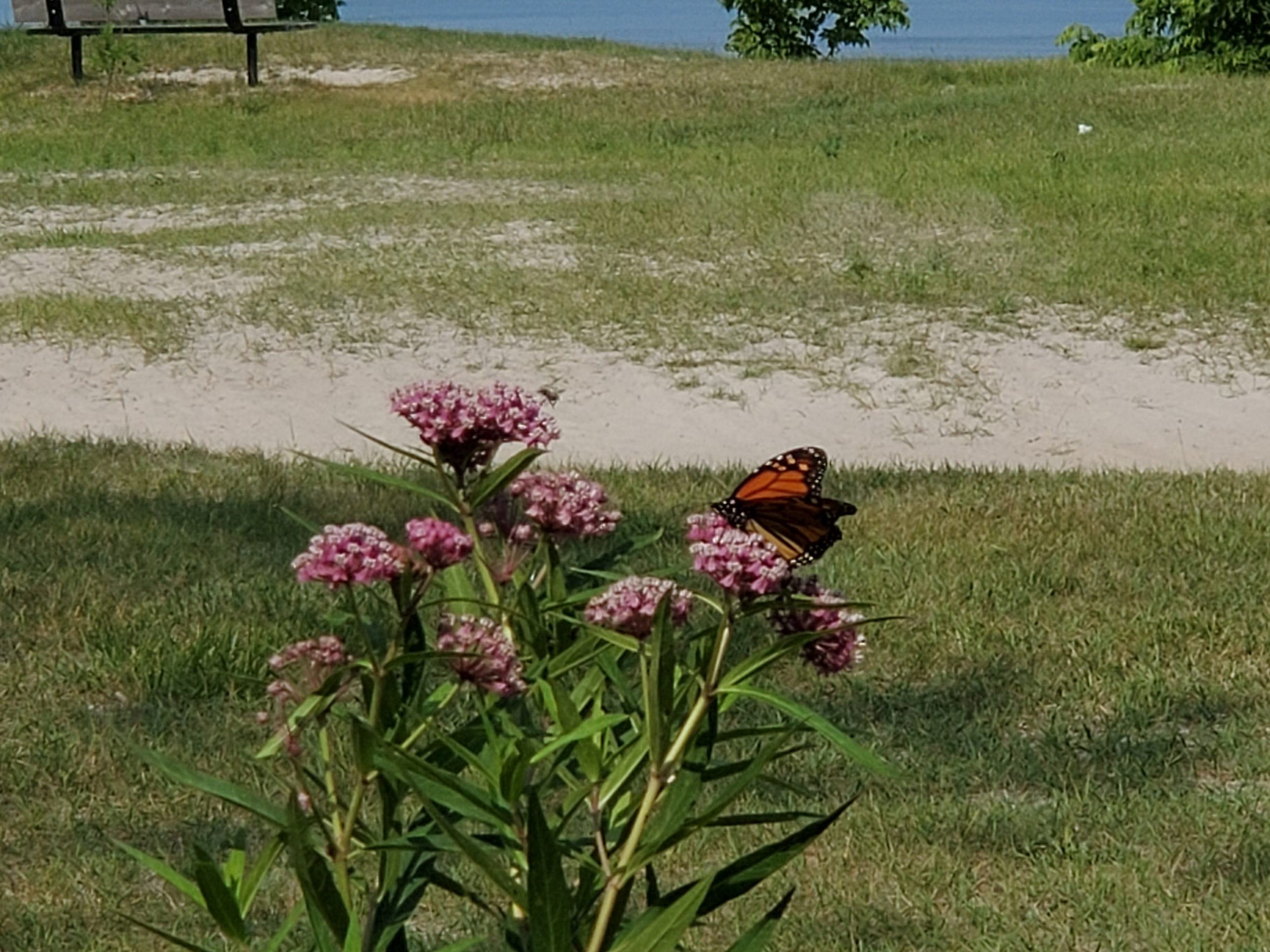
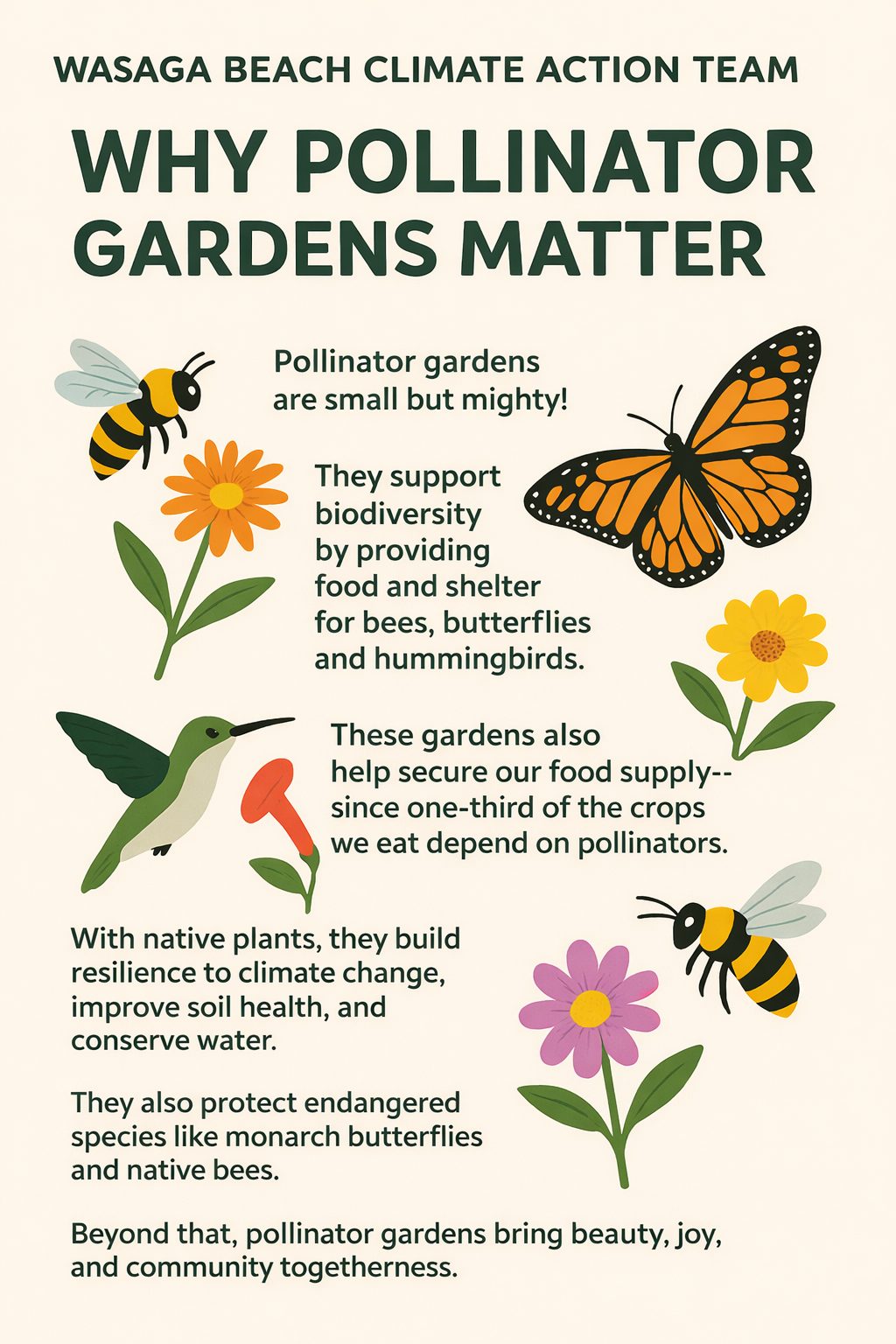
Pollinator gardens provide essential pollen and nectar sources for monarch butterflies, bees, hummingbirds, and other important species. At the same time, they serve as vibrant, educational spaces that foster environmental awareness and community engagement.
On June 26, 2026, to celebrate Pollinator Week (June 22-28), a Pollinator Garden was planted in a repurposed canoe, on Wasaga Beach Provincial Park, Beach Area 5, along with educational signage.
———————————————————————————————————————————-
Pollinator Gardens and Climate action
Climate action includes a wide range of efforts to reduce greenhouse gas emissions and help communities adapt to changing environmental conditions. Pollinator gardens are one example of these efforts and are supported by many environmental organizations such as the Wasaga Beach Climate Action Team and Community groups like The Rotary Club of Wasaga Beach as well as municipalities, schools, and Indigenous communities. Their success depends on collaboration among many partners who share the common goal of protecting biodiversity and building healthier, more sustainable communities.
FIVE KEY REASONS WHY POLLINATOR GARDENS MATTER:
- Support Biodiversity
Pollinator gardens provide food and shelter for bees, butterflies, hummingbirds, and other species, helping maintain healthy ecosystems. - Boost Food Security
About one-third of our crops rely on pollinators. By supporting them, these gardens directly contribute to the production of fruits, vegetables, and nuts. - Strengthen Climate Resilience
Native plants in pollinator gardens are often drought-tolerant and improve soil health, making landscapes more resilient to climate change. - Protect Endangered Species
Many pollinators, like monarch butterflies and certain bees, face population declines. These gardens create safe habitats that aid their survival. - Enhance Communities
Beyond ecological benefits, pollinator gardens bring beauty, improve mental well-being, and engage communities in conservation efforts
ATTENTION TO ALL GARDENERS! WANT TO GET INVOLVED?
- Volunteer as a gardener to help plant and maintain the pollinator garden at Beach Area 5
- Free parking in Provincial Park Beach Area 5 parking lot for WBCAT Volunteers
- Contact us for more info or to sign up as a volunteer [email protected]
EDUCATION SESSIONS AT WASAGA BEACH PUBLIC LIBRARY
- June 16-2026, 2:00 to 3:00pm: Growing Gardens That Attract Pollinators and Help Restore Nature, with Brenna Latimore: https://www.eventbrite.ca/e/growing-gardens-that-attract-pollinators-and-restore-nature-tickets-1989610742289
- June 29-2026, 10:30 TO 11:30am : The Magic of Pollinators, with Gwen Petreman: https://wasagabeachpubliclibrary.ca/events/the-magic-of-pollinators/
- Contact us for more info or to sign up as a volunteer [email protected]

7715c4c7-9caa-4665-b745-d8111a3c9ecc
IMG_1411
IMG_1441
WhatsApp Image 2026-07-17 at 11.30.26

WhatsApp Image 2026-07-17 at 11.30.26 AM
20260626_133547
20260626_134811
20260626_135153
20260626_141853

729754317_27335528042768890_6809291227664651477_n
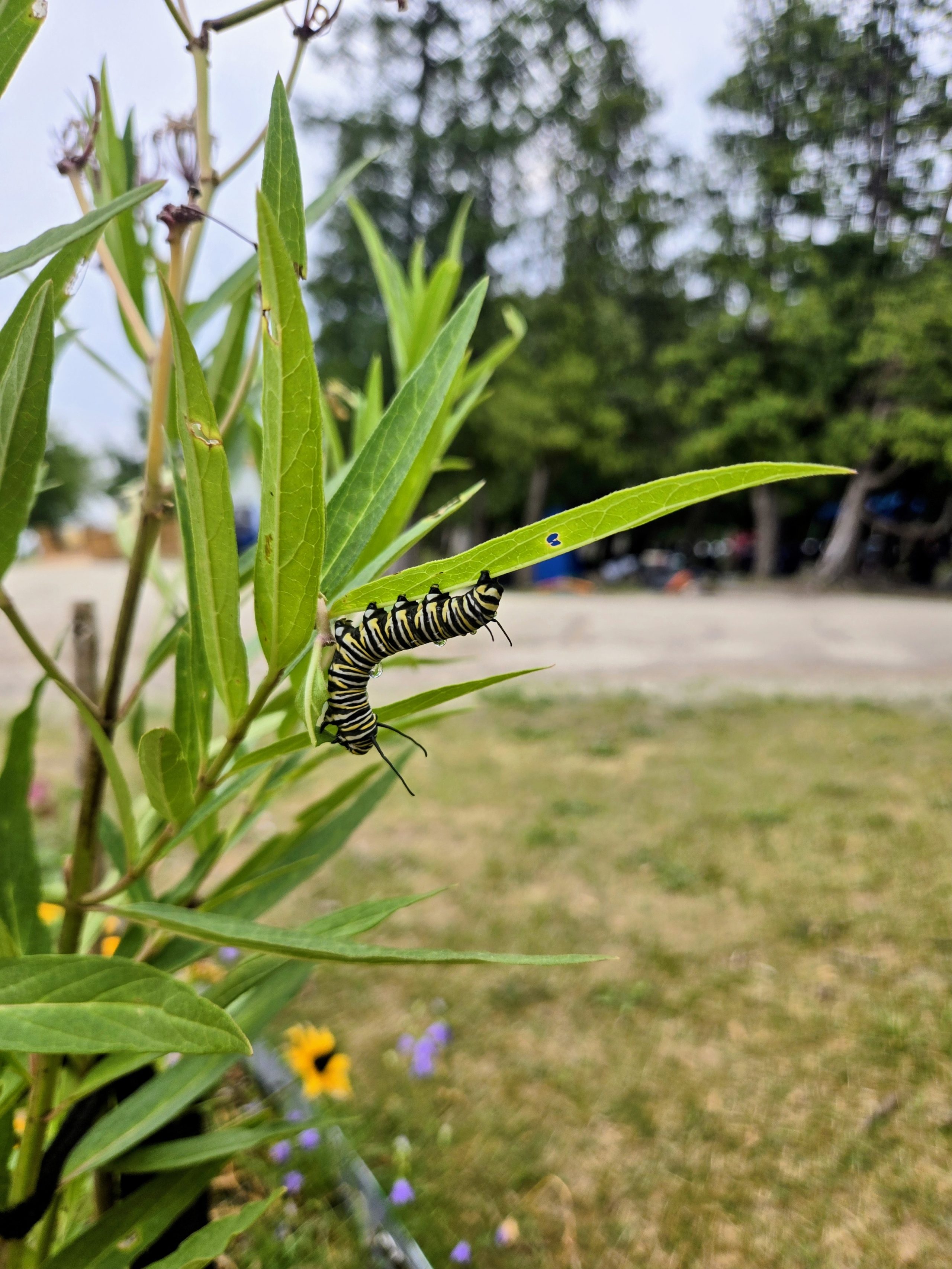
monarch catterpillar